How Much Business Do I Lose from Voicemail? (2026)
Curious how much business you lose from voicemail? Learn the impact and simple ways to recover missed calls and boost your revenue today.

On this page
You're losing customers every single day, and you probably don't even realize it.
Every time your business line rings and goes to voicemail, there's a high chance that caller is already dialing your competitor. It's not that they don't want to work with you. They just need help now, and voicemail feels like a dead end.
The numbers tell a brutal story. Most people rarely leave a voicemail at all: in a 2023 YouGov poll, 55% of British adults said they rarely or never leave one when someone they know doesn't pick up. And a message that does get left often goes nowhere: when researchers left voicemails for psychiatrists' offices in three US cities, only 36% of the unanswered calls were returned.
So how much business are you actually losing to voicemail? Let's break down the real cost.

Why Do Customers Hate Voicemail So Much?#
Customer behavior has fundamentally changed. A decade ago, leaving a voicemail was standard practice. Today, it feels outdated and frustrating.
Think about your own behavior. When was the last time you left a voicemail for a business? Most of us would rather text, email, or just call the next company on our list.
The data backs this up:
Only 16% of people leave a voicemail every time or most times when someone they know doesn't answer, according to the same YouGov poll of 4,019 adults.
But it gets worse. Texting is how most younger people communicate: in a 2014 Gallup poll, more than two-thirds of Americans aged 18 to 29 said they had sent and received text messages "a lot" the day before. We live in an instant-messaging world. Voicemail is slow, one-way, and uncertain. You don't know if anyone will listen, when they'll listen, or if you'll ever hear back.
And here's something eye-opening: people screen their calls. In a 2020 Pew Research Center survey of 10,211 US adults, only 19% said they generally answer when an unknown number calls, and 67% let it go to voicemail and check the message later. So when you return a missed call from a number they haven't saved, they probably won't pick up either.
Younger customers leave even fewer voicemails. In the YouGov poll, 64% of 18- to 24-year-olds said they rarely or never leave one, against 38% of people aged 65 and over. Hearing "leave a message after the tone" signals that your business might be stuck in the past. They expect real-time responses, not recordings.
Voicemail isn't a safety net anymore. It's a barrier between you and potential revenue.
That's why modern AI answering services have become essential for businesses that want to capture every lead.
How Many Customers Am I Losing When Calls Go Unanswered?#
When callers won't engage with voicemail, a missed call becomes a lost opportunity. And the scale of this problem is larger than most business owners realize.
Few businesses have had their phones measured independently, but doctors' offices have, by researchers posing as new patients. At primary care offices in two Texas cities, about a quarter of 1,081 calls never reached a scheduler (Tulane University, 2017 to 2018). At psychiatrists' offices in Boston, Chicago and Houston, 216 of 360 calls went unanswered on the first try.
And when Weill Cornell researchers called 320 psychiatric offices listed in Medicaid plan directories in four large US cities in 2023, nearly 3 in 10 never answered in two tries.
Here's the critical part: a caller who doesn't get through doesn't have to try again. Many simply move on. From the customer's perspective, it's easier to dial the next business on Google than to chase down one that didn't pick up.
And speed matters. In a study of about 11.7 million exchanges on the freelance marketplace Fiverr, published in Management Science in 2026, the longer a freelancer took to reply to a request, the less likely they were to be hired, and even a delay of 5 to 10 minutes cut their chances sharply. If your call goes to voicemail, you've already lost that race.
In high-stakes industries like legal services, the stakes are even higher. A slow response or voicemail can directly cost you the case, which is why answering every call matters so much for law firms.
The math is simple: Missed call = Lost customer. That's why implementing a 24/7 answering service is no longer optional for growing businesses.
How Much Revenue Do I Lose from Voicemail Each Year?#
Every unanswered call carries a price tag. Let's quantify what voicemail is actually costing your business.
Direct Revenue Loss Per Missed Call#
For example, if your average sale is $200 and you miss just 5 calls per week from customers ready to buy, you're losing over $50,000 in potential revenue per year ($200 × 5 calls × 52 weeks).
For many small businesses, the losses add up fast. For example, if you get 20 calls a day and miss a quarter of them, about the rate researchers measured at Texas doctors' offices, that's 5 missed calls a day, or up to $1,000 in lost revenue per day if each was a new customer worth $200.
Even if your situation isn't that extreme, the pattern holds: a few missed calls per week compound into massive annual losses.

Lifetime Customer Value Lost#
The cost isn't just one sale. When a potential client never connects with you, you lose their entire lifetime value: repeat purchases, referrals, and loyalty.
Take auto repair. The average US household spent $984 on vehicle maintenance and repairs in 2024, according to the Bureau of Labor Statistics. For example, a household that brings all of that to your shop for five years is worth about $5,000. That initial missed brake job? Just the tip of the iceberg.
What Does a Missed Call Cost in My Industry?#
The value varies by industry, so work it out from your own numbers. Multiply the calls you miss each month by the share of them that were new customers, by the share of new callers you usually win, and by your average first job. Then multiply by 12 for the year.
How Much Marketing Budget Am I Wasting on Unanswered Calls?#
Every call that goes unanswered is essentially a marketing dollar thrown away.
You paid for SEO, ads, and listings to make that phone ring. But if you don't answer, you get zero return on that investment. Over time, this drives up your cost per acquisition and distorts your marketing data. Campaigns might look like they're failing when in reality, the leads came in but never reached anyone.
Total Annual Cost of Missed Calls#
No reliable study measures what the average business loses. Your own call log will tell you more than any industry average: for example, 10 missed calls a week, of which 4 were new customers and you'd have won 2 at $200 each, is $20,800 a year.
These numbers directly impact your bottom line. And they're entirely preventable with the right phone answering solution.

Hidden Costs of Voicemail Beyond Lost Revenue#
The financial losses are just the beginning. Relying on voicemail creates other problems that damage your business in ways that don't show up on a spreadsheet.
How Does Voicemail Damage My Business Reputation?#
When customers can't reach you, it sends a message: you're unavailable, disorganized, or don't value their business.
People who feel ignored don't just quietly leave. They leave negative reviews. They tell others about their frustration. "I called and left a message but never heard back" becomes a warning sign for anyone considering your company.
Am I Helping My Competitors by Not Answering Calls?#
Every missed call is a gift to your competitors.
When their call goes unanswered, customers simply move on to the next business. They're converting leads that your marketing created, simply because they answered the phone.
Your missed calls are helping your competitors grow. This is precisely why implementing call handling services has become critical for competitive businesses.

How Much Time Do I Waste Chasing Voicemail Messages?#
Voicemail creates extra work. Someone has to retrieve messages, return calls, and chase down leads after the fact. Often, by the time you call back, the person has moved on or lost interest. All that follow-up effort yields nothing.
This is far less efficient than handling the customer in real time.
Does Voicemail Make My Business Look Unprofessional?#
For small businesses, perception matters enormously. A phone that always goes to voicemail makes you seem understaffed or overwhelmed. This first impression of unavailability can turn away high-value clients who expect attentive service.
Many businesses invest in receptionists or answering services for exactly this reason. They understand that being responsive signals professionalism and reliability.
How Much Do Law Firms Lose from Voicemail?#
The impact of missed calls varies by industry, but no one is immune. Here are some real scenarios:
Law Firms#
Legal practices deal with urgent, high-stakes inquiries. Yet responsiveness remains a challenge.
Every unanswered call to a law firm could be a lost client, each potentially worth thousands in fees. When a prospective client calls multiple attorneys, the one who answers first usually gets the case.
That's why many forward-thinking firms now use specialized answering services for law firms to ensure they never miss a potential client.
Home Services (HVAC, Plumbing, Electrical)#
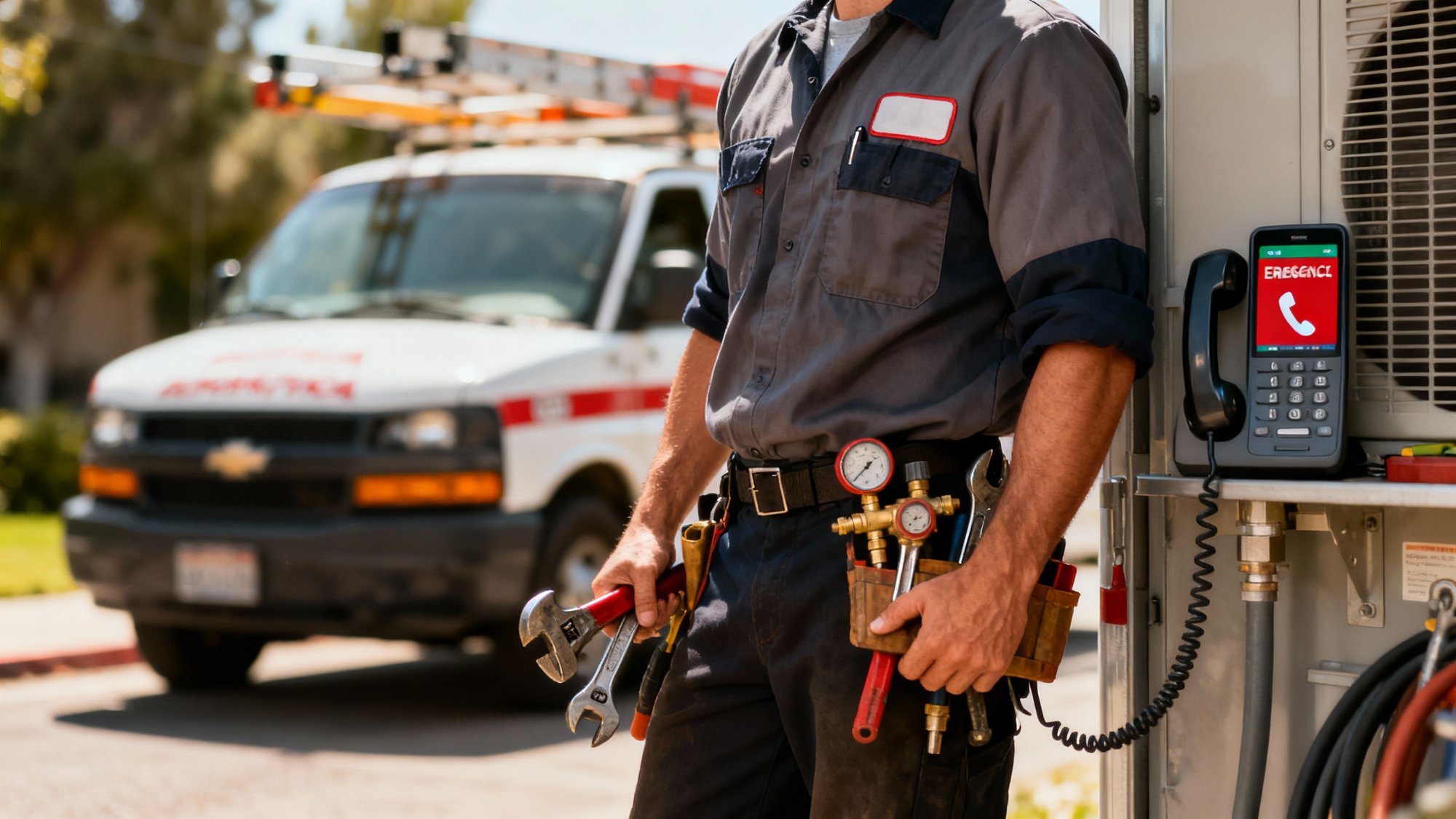
When something breaks at home, customers dial for help immediately. If you don't answer, they move down the list.
Each missed call is likely a job you'll never recover.
If a homeowner's air conditioner fails on a hot day and your HVAC line goes to voicemail, they're already talking to a competitor within minutes. Many home service needs are one-time or occasional, so you might not get another chance until their next emergency (if they remember you at all).
Smart contractors are protecting their revenue with answering services specifically designed for contractors and HVAC businesses.
Plumbers and electricians also rely on these systems to capture every emergency call and service request.
Medical and Dental Practices#
For healthcare providers, missed calls affect both revenue and patient care.
New patients calling to book appointments often won't leave voicemail. If their call isn't answered, they immediately try the next clinic. This means losing the chance to acquire new patients.
Even existing patients calling with urgent concerns (tooth pain, a sick child) will quickly seek another provider if they can't reach someone. In healthcare, being responsive is part of building trust. Voicemail feels like abandonment.
As one patient put it: "If I have to leave a message, I'll call another practice."
Modern AI receptionists ensure patients always reach someone who can help, improving both patient satisfaction and appointment booking rates.
Professional Services and High-Value Clients#
In fields like finance, consulting, real estate, or B2B sales, a single call can represent a huge opportunity.
These callers have significant lifetime value. Miss one investor's call, or delay responding to a hot prospect, and you might forfeit a six-figure deal. Wealthy clients and enterprise buyers will move on quickly if they don't get timely answers.
Industries like real estate and accounting are increasingly adopting AI receptionist technology.
Insurance agencies also use these systems to capture high-value opportunities and ensure no prospect goes unanswered.

Automotive Services#
Auto repair shops depend on phone inquiries for service bookings. If a customer can't reach you, they'll call another shop.
That initial missed repair might be a few hundred dollars, but consider the lifetime value. That car owner could have returned for years of maintenance. At the average household's $984 a year on maintenance and repairs, five years of their oil changes, tire replacements and repairs come to about $5,000, if they bring all of it to your shop.
It's never "just a missed brake job." It's the loss of a long-term relationship.
Why Do All Industries Lose Business the Same Way?#
The pattern is clear across industries:
When the phone rings with a paying customer on the line, you get one chance. If you send them to voicemail or keep them waiting, the odds of conversion plummet.
Businesses that depend on phone leads live and die by their call answer rate.
How to Stop Losing Business to Voicemail#
The good news? This problem is completely solvable. You can ensure callers reach a person or get an immediate response instead of hitting a dead-end voicemail. Here's how:
1. How to Track Your Missed Calls#
You can't fix what you don't measure.
Start by examining your call logs or phone system reports. When are most missed calls happening? How many go to voicemail each day? Look for patterns: lots of calls during lunch, after 5 p.m., or when certain staff are out.
Many small businesses are shocked by the numbers when they first measure missed calls. That wake-up call helps justify changes.
2. How to Improve Coverage During Peak Times#
Once you know when you're missing calls, adjust staffing accordingly.
If Monday mornings see a spike, make sure someone is free to answer phones then. If you're seasonal (tax season, holiday retail), plan for extra help during busy periods.
Even temporarily bringing in part-time reception help or rotating staff schedules can boost your answer rate when it matters most.
3. How to Use Smart Call Routing to Never Miss a Call#
Don't leave callers stranded in voicemail if there's any way to reach a live person.
Modern phone systems offer options like:
• Call forwarding to mobile phones
• Ringing multiple lines simultaneously
• Overflowing to an external answering service
For example, set your system so that if no one answers by the third ring, the call forwards to a manager's cell or to a backup service. You can use IVR to direct urgent calls to on-call staff.
The key is having a plan B (and C) so "no answer" is never the final outcome. Learn more about setting up effective call forwarding.
4. How to Respond Faster Even When You Can't Answer#
Sometimes you truly can't answer immediately. But you can still be first to follow up.
Set up automated text replies for missed calls. When a call goes to voicemail, automatically send a text: "Sorry we missed you. We'll call back in 10 minutes."
This at least acknowledges them and buys goodwill. Remember: the faster you reply, the more likely you are to win the work. If you can't answer on the first ring, a prompt callback (within minutes, not hours) can sometimes save the lead.
But remember: most won't leave a message. Better yet is preventing the call from reaching voicemail at all.
5. Why You Need 24/7 Call Coverage (And How to Get It)#
Customers call early in the morning, in the evening and on weekends.
If you only have humans during business hours, you're effectively closed (or going to voicemail) whenever they're off. Every after-hours call is a missed opportunity.
To capture those leads, many businesses use answering services or AI receptionists. The concept is the same: ensure a caller always reaches someone capable of engaging them.
Traditional live answering services can pick up calls overnight or when your line is busy, following a script to take messages or book appointments.
AI-powered receptionists are an increasingly popular option. These intelligent virtual receptionists answer common questions, collect caller information, schedule appointments, and transfer calls as needed. They operate 24/7 and never miss a call.
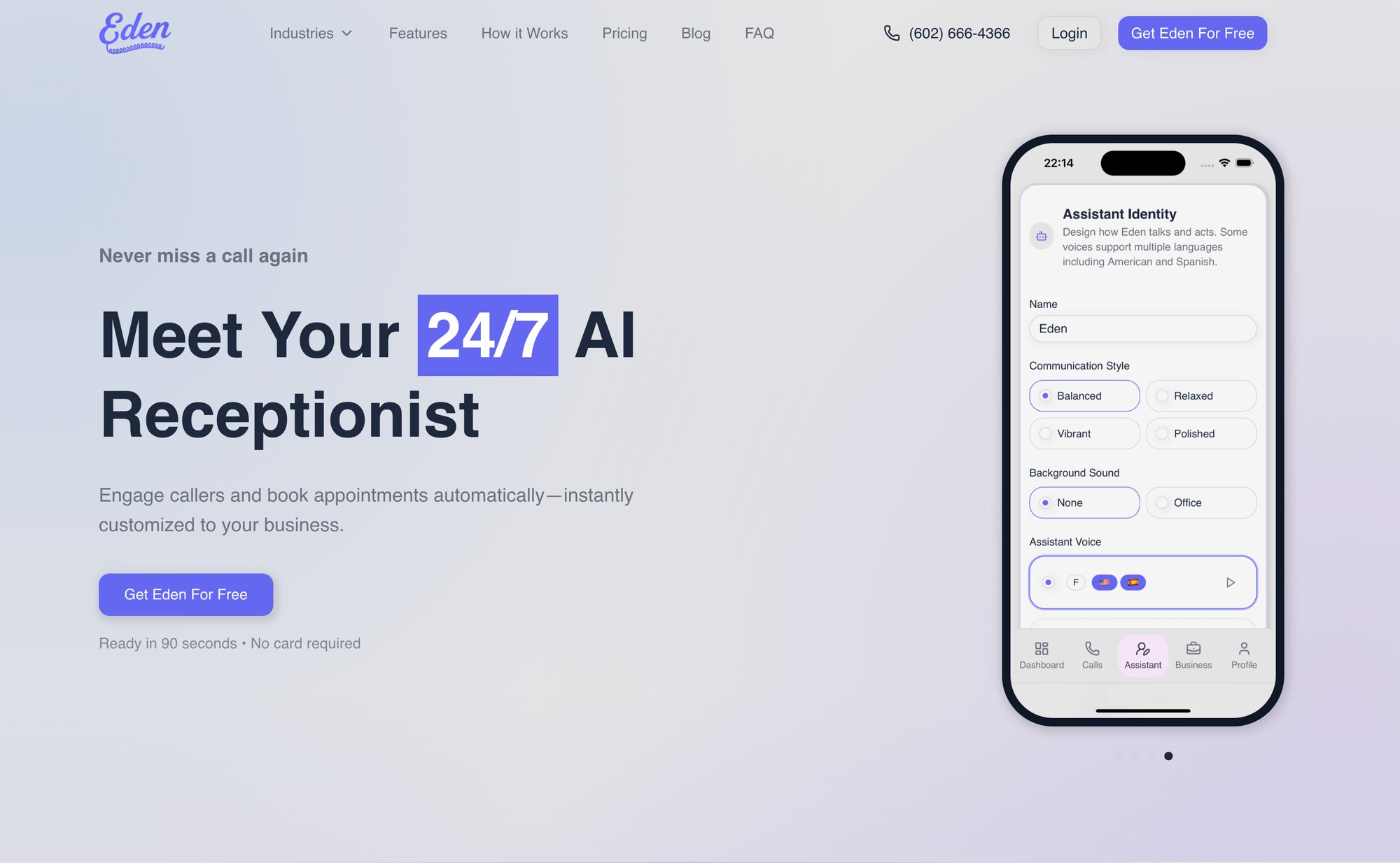
For example, Eden's AI receptionist can:
• Answer calls instantly, any time of day
• Engage callers in natural conversation
• Qualify leads by asking relevant questions
• Send scheduling links via text or email
• Transfer urgent calls to the right person
• Block spam and robocalls automatically
Such solutions ensure every caller gets a response instead of voicemail, which dramatically improves capture rates. Many small businesses are adopting these systems specifically to eliminate the voicemail problem and stop losing leads to competitors.
Learn how businesses use AI receptionists to automate appointment booking and never miss another opportunity.

6. How to Train Your Team to Prioritize Phone Calls#
Make sure everyone understands the importance of answering the phone.
In busy workplaces, calls can feel like interruptions. Build a culture where customer calls are top priority, because they represent potential revenue.
Establish clear responsibility: who picks up if the front desk is busy? How quickly should calls be returned? Arm your staff with knowledge to help callers efficiently so that answering leads to positive outcomes, not frustration.
The Goal: Never Let a Valuable Call Go Unanswered#
Whether through better staffing, smarter technology, or outside help, make it a priority that callers reach a person or an interactive assistant in real time.
Companies that implement these changes see immediate results. Firms that replaced voicemail with AI-driven receptionists have reported capturing significantly more leads and booking more appointments, effectively boosting revenue with the same marketing spend.
When every call is answered, every call has the chance to become a customer.
Ready to stop losing business to voicemail? Try Eden free for 30 days and see how many opportunities you've been missing.
The Bottom Line: Voicemail Is Costing You More Than You Think#
Voicemail might have worked a decade ago, but as a method of handling business inquiries today, it's a liability.
The data is clear: Missed calls and voicemail equal lost business on a scale most owners don't realize until they see the numbers. From tens of thousands in annual revenue disappearing, to the incalculable cost of reputation damage and customers handed to competitors, the impact is profound.
You can turn this around. By recognizing the problem and taking action, you transform missed calls from a revenue drain into a growth opportunity.
Imagine a future where every call to your business is answered on the first ring, either by a knowledgeable team member or a 24/7 virtual receptionist. No customer ever hears "leave a message." What would that do for your sales, your customer satisfaction, and your peace of mind?
Companies that make this shift report not just higher revenues, but less stress. Instead of wondering how much business they lost overnight or during lunch, they wake up to new leads captured and customers helped.
In today's on-demand economy, being there when customers call is everything. Don't let voicemail continue to silently steal your opportunities.
Stop the bleeding. Ensure every call is answered. Your bottom line will thank you.

Frequently Asked Questions#
How many calls does the average business miss?#
Few businesses have been measured independently, but doctors' offices have. Researchers posing as new patients found that about a quarter of calls to Texas primary care offices never reached a scheduler, and that nearly 3 in 10 psychiatric offices listed in Medicaid plan directories in four US cities never answered in two tries. This is why automated answering services have become essential for competitive businesses.
What percentage of people leave voicemail?#
In a 2023 YouGov poll of 4,019 British adults, only 16% said they leave a voicemail every time or most times when someone they know doesn't answer, and 55% said rarely or never. No study has measured how often callers leave a message for a business.
Will customers call back if I miss their call?#
Don't count on it. No study has measured how many callers try again, and a caller who doesn't get through can simply call the next business instead. Read more about how to stop missing calls.
How much revenue does a typical small business lose from missed calls?#
No reliable study measures the average. Work it out from your own numbers: missed calls a week, times the share that were new customers, times the share you usually win, times your average sale, times 52. For example, 10 missed calls a week with 2 lost sales of $200 comes to $20,800 a year. Learn more about the true cost of missed calls.
Why do customers prefer texting over voicemail?#
Texting is how most younger people communicate: in a 2014 Gallup poll, more than two-thirds of Americans aged 18 to 29 said they had sent and received text messages "a lot" the day before. Texting is instant, two-way, and provides confirmation that your message was received. Voicemail is slow, one-way, and uncertain. You don't know if anyone will listen or when they'll respond.
What industries are most affected by missed calls?#
All industries suffer from missed calls, but some are hit particularly hard:
Industry | Impact |
|---|---|
Law Firms | Urgent, high-value cases; a missed call can cost the case |
Home Services | Immediate urgency; customers call next provider within minutes |
Healthcare | Patients won't wait; call next practice immediately |
Professional Services | Single missed call can cost thousands in high-value clients |
How can AI receptionists help with missed calls?#
AI receptionists answer calls 24/7 with natural conversation. They can qualify leads, answer common questions, collect caller information, send scheduling links, transfer urgent calls, and block spam automatically. This ensures every caller gets an immediate response instead of hitting voicemail. Learn more about benefits of using AI receptionists.
Do younger customers use voicemail at all?#
They rarely leave voicemails: in a 2023 YouGov poll, 64% of 18- to 24-year-olds said they rarely or never leave one. But they don't ignore their phones: Pew found that adults under 30 are more likely than older adults to answer calls from unknown numbers. Hearing "leave a message after the tone" signals to them that a business might be outdated or unresponsive. They expect real-time interaction through text, chat, or live conversation.
What's the lifetime value impact of a missed call?#
A missed call doesn't just cost one sale. It eliminates all future purchases and referrals from that potential customer. In auto repair, the average US household spends about $1,000 a year on maintenance and repairs. For example, a household that brings all of that to your shop for five years is worth about $5,000.
Is voicemail better than nothing?#
Not much of one. In a 2023 YouGov poll, 55% of British adults said they rarely or never leave a voicemail when someone they know doesn't answer, and no study has measured how many callers leave one for a business. Voicemail only catches the callers who choose to leave a message. A better solution is ensuring calls are answered live or by an AI system that can engage the caller immediately.
How do missed calls affect my marketing ROI?#
Every unanswered call is essentially a wasted marketing dollar. You paid for SEO, ads, and listings to make that phone ring. If you don't answer, you get zero return on that investment. This drives up your cost per acquisition and can make successful campaigns look like failures.
What's the best way to measure my missed call problem?#
Start by examining your call logs or phone system reports. Look for:
• Total calls received vs. calls answered
• When most missed calls occur (time of day, day of week)
• How many go to voicemail vs. ring without answer
• Any patterns (busy periods, staff absences, etc.)
Most businesses are surprised by the scale of the problem when they first measure it.